INSIGHTS
The Iran Variable & Our Investment Themes
The Curious Investor | Q1 2026 Update
In January, we said that unresolved tensions between Goldilocks optimism and a growing list of structural risks would mark 2026. We highlighted the investment themes we considered most critical. Then February 28th happened.
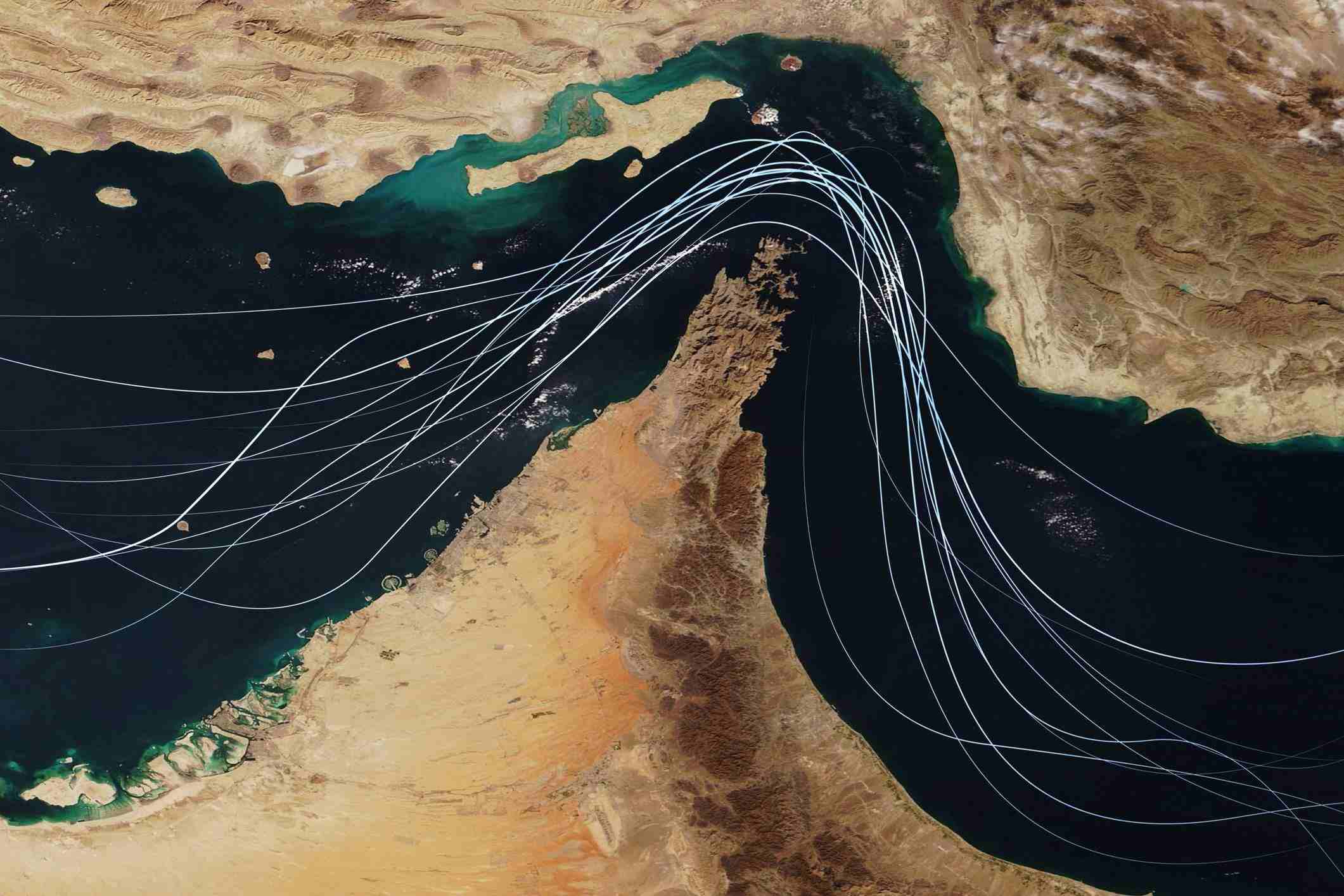
Hydrocarbons are the circulatory system of the global economy, and the choking of the Strait of Hormuz was a cardiac event. The critical question now is whether it becomes a full arrest. Only time will tell. We remain of the view that there is sufficient political pressure – particularly with upcoming US midterms – to ensure this campaign is short-lived. The April 7th ceasefire plan seems to vindicate this view.
Energy: Right Thesis, Wrong Trigger
We argued that oil was cheap in real terms and that most global portfolios were underweight. Our thesis was built on structural demand. Instead, we got a supply shock. The outcome was the same; just faster.
Energy has been repriced, and energy security has surged up the political agenda. For investors still underweight, the decision has shifted from whether to buy to when to buy – a meaningful change in sentiment. As ever with energy investing, timing remains paramount.
AI: The Destroyer
In Q1, the AI trade evolved from “who benefits” to “what gets disrupted.” Software companies were in the crosshairs, but the impact extended across other sectors too.
Our robotics and physical AI theme – spanning the picks-and-shovels of industrial and humanoid robotics, autonomous vehicles, and the space economy – proved resilient, with pockets of strong growth.
Space: One Giant Step
We identified the space economy as a key investment theme, citing collapsing launch costs, a potential SpaceX IPO, and a broadening ecosystem. By the end of Q1, SpaceX had filed for its IPO, which looks set to be one of the most consequential corporate finance events in years.
Orbiting AI data centres, powered by solar energy and free from terrestrial cooling constraints, have moved from science fiction to viable business models. Meanwhile, fractured geopolitics has strengthened the strategic case for space. Starlink and other satellite communications assets are now a critical part of evolving military infrastructure.
The Fed: A Perfect Storm
We flagged stagflation risk in January. It materialised faster and harder than expected.
Sharply rising energy costs are pushing inflation expectations higher just as global growth forecasts are being revised down, creating a perfect storm for central banks. Complicating matters, the Fed is navigating this environment amid a leadership transition.
Kevin Warsh, the Fed Chair nominee, is seen as a reformer but remains an unknown entity. A hawkish pivot risks tipping a fragile economy into recession; a dovish stance risks further entrenching inflation expectations.
The Great Rotation: Turning Slower
The rotation out of US dollar assets has been a theme since Trump’s Liberation Day a year ago. The Iran shock has complicated this narrative by temporarily boosting the dollar’s safe-haven appeal and correcting overbought precious metals more sharply than anticipated.
However, the structural case for this rotation remains intact. For now, it is masked by a geopolitical risk premium.
For investors in UK equities, Japanese stocks, and emerging markets, patience remains key. An extended energy crisis would disproportionately impact energy-importing economies, particularly in Europe and emerging markets. Conversely, a peaceful resolution could see the rotation out of dollar assets re-accelerate.
Healthcare: No Drama
Of all our themes, healthcare delivered the least drama, yet it is quietly becoming one of the stronger performers.
Policy fears are fading, FDA approval momentum is building, and M&A activity and demographic tailwinds are intact. In a volatile, slowing growth environment, healthcare continues to look attractive.
Private Credit: New Risk
Private credit has been growing strongly in recent years, built on direct lending to private equity-backed companies, offering superior yields, low reported volatility, and a structural tailwind from a banking sector in retreat.
More recently, these assets have been repackaged for retail investors via semi-liquid vehicles with quarterly redemption windows.
However, Q1 was the reminder that illiquidity is a risk – not a feature. Critically, loans issued at peak euphoria, with the loosest terms and the heaviest software concentration, are now maturing. The recent launch of new AI tools, which triggered a sharp selloff in enterprise software shares, also undermines the subscription lock-in underpinning the credit assumptions in private loan agreements.
While this remains a localised issue, private credit is a risk that markets have probably yet to price in fully, and we are watching its evolution closely.
Q2 Prospects
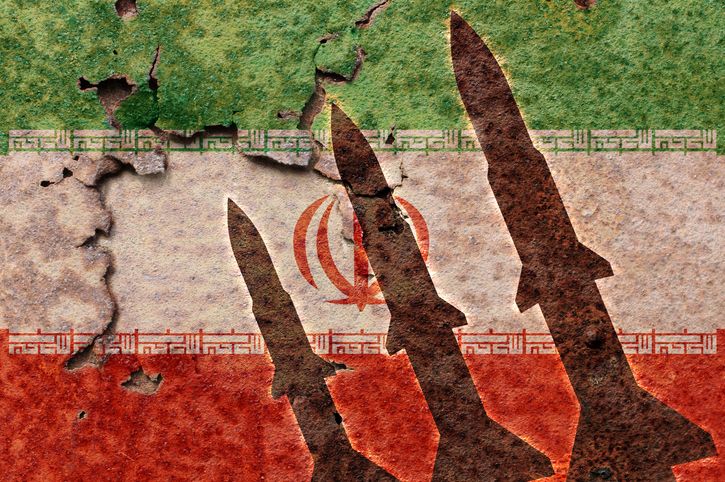
The overriding variable is Iran. Resolution or escalation will shape inflation, interest rates, capital rotation, and energy markets.
Three months into 2026, the outlook may not be clearer than we suggested in January—but it is certainly more complex.
The themes we identified remain broadly intact:
- Energy — thesis confirmed; now an entry-point question, not a conviction question
- Physical AI and robotics — more interesting as software prices lower
- Space economy — one giant leap forward
- The great rotation — directionally correct, temporarily messier; watch for ceasefire rallies
- Healthcare — quietly doing its job; core holding candidate
- Bonds — ongoing battleground between policymakers and bond vigilantes
- Private credit – not systemic but requires monitoring
We said that making predictions, especially about the future, is a fool’s errand, and Q1 may have proved our point.
A war nobody expected validated our energy call while complicating our rotation narrative. But that is investing. Our broad framework holds. We will continue to refine, correcting errors and omissions, incorporating new information, and using that insight to identify further opportunities as the year progresses.
Written by
Jeremy McKeown